
Příznaky rakoviny čelisti: Co byste měli vědět a kdy jít k lékaři
When you feel persistent pain in your jaw or notice a sore that won’t heal, it’s easy to blame it on a toothache or gum inflammation. But příznaky rakoviny čelisti, neobvyklé změny v ústní dutině, které mohou signalizovat vážnější onemocnění. Also known as nádor čelisti, it doesn’t always come with obvious warning signs—especially in the early stages. Many people ignore early symptoms because they don’t look like cancer. They think, "It’s just a tooth hurting," or "My gums are bleeding again." But when a pain lasts longer than two weeks, doesn’t respond to treatment, or comes with numbness, swelling, or loose teeth without trauma, it’s time to look deeper.
One of the most dangerous things about rakovina čelisti, lokální nádorové onemocnění, které může vzniknout v kosti nebo měkkých tkáních čelisti. Also known as nádor ústní dutiny, it is that it often mimics common dental problems. A persistent toothache? Could be a cavity. A swollen gum? Probably gingivitis. A numb lip or chin? Must be a pinched nerve. But if none of the standard treatments help—if your dentist finds no decay, no infection, no abscess—then you need to ask: Could this be something else? nevysvětlitelná bolest zubů, bolest, která neodpovídá běžným zubním příčinám a neustupuje po léčbě is one of the top red flags. Other signs include a lump or thickening in the cheek, difficulty chewing or swallowing, or a change in how your teeth fit together when you bite down.
These symptoms don’t mean you have cancer. But they do mean you need a second look. Most cases of oral cancer are caught late because people wait too long. And by then, treatment is harder. The good news? When caught early, survival rates are much higher. A simple exam by your dentist can spot suspicious changes before they become serious. They’re trained to recognize subtle signs—like white or red patches, ulcers that won’t heal, or unusual bone loss on X-rays—that you might miss.
You don’t need to be a smoker or drinker to be at risk. While tobacco and alcohol increase the chance, human papillomavirus (HPV) is now a leading cause in younger people. Even if you brush daily and visit your dentist regularly, you’re not immune. That’s why any unusual change in your mouth—no matter how small—deserves attention.
In the posts below, you’ll find real cases and clear explanations about what to watch for, how dentists check for these signs, and why ignoring a "minor" ache can cost you more than time—it can cost you your health. These aren’t scare tactics. They’re facts from people who’ve been there. If you’ve had unexplained pain for weeks, or if your dentist said "it’s nothing," but you still feel off—this is where you start looking closer.
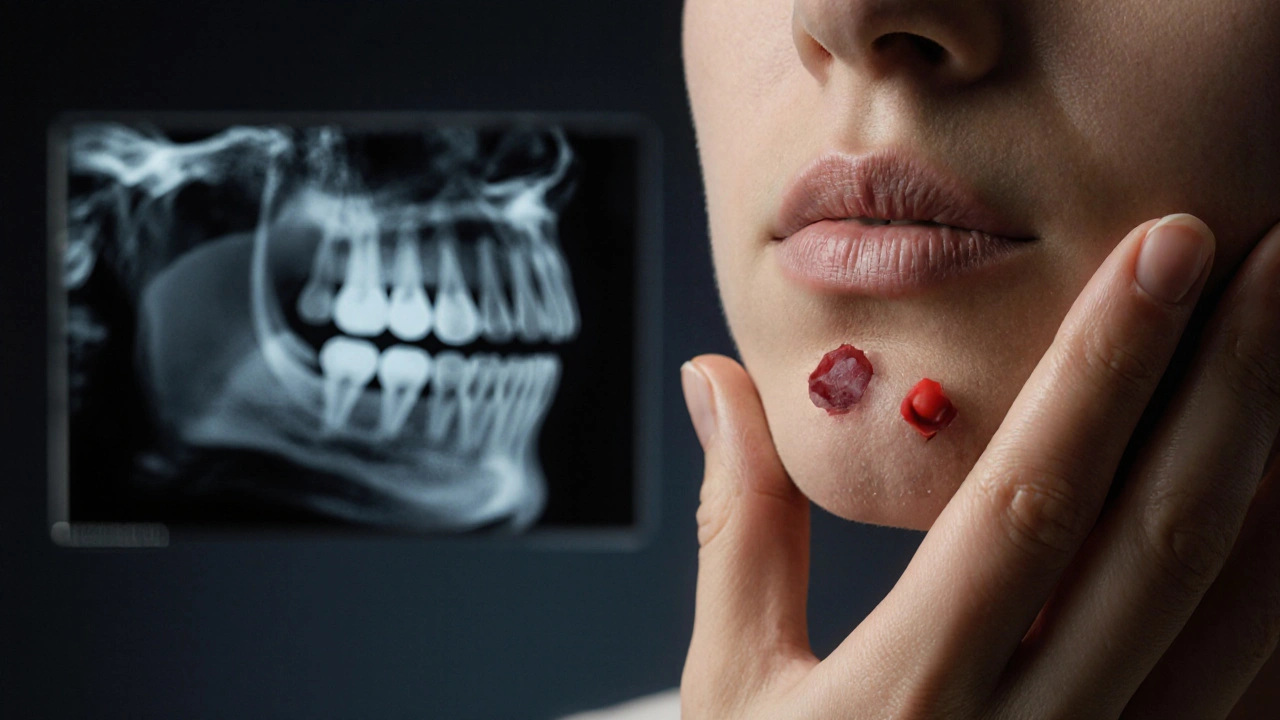
Jak poznat rakovinu čelisti: příznaky, které nesmíte ignorovat
Rakovina čelisti se často přehlíží jako běžná zubní bolest. Zjistěte, jaké příznaky nemůžete ignorovat, když je třeba okamžitě jít k lékaři a jak se rakovina léčí.
- Zdraví a péče o zuby (119)
- Zdraví a stomatologie (17)
- Zdraví a wellness (10)
- Zdraví a krása (7)
- Zdraví a Wellness (4)
- Zdraví a Krása (4)
- Rodina a zdraví (3)
- Zdraví a lékařství (3)
- Zdraví a životní styl (2)
- zdraví a krása (2)
-
Jak zvládnout bolest předních zubů během chřipkové sezóny
1 lis 2025 -
Na co je jednosvazkový kartáček? Vše, co potřebujete vědět o mezizubní čištění
17 led 2026 -
Proč se pískají zuby? Příčiny, diagnostika a účinné tipy
27 zář 2025 -
Příčiny zubního kazu a jak mu předejít
15 říj 2025 -
Jak dlouho zůstat doma po léčbě kořenových kanálků s antibiotiky?
16 lis 2025
28.11.25
Jana Novotná
0