
Zubní most: Co to je, když ho potřebujete a jak ho vybrat
When you lose a tooth, your smile isn't the only thing that changes — your bite, your jaw, even how you chew do too. A zubní most, trvalá zubní náhrada, která plní mezeru mezi zuby pomocí sousedních zubů jako opory. Also known as zubní protéza, it is a fixed solution that doesn’t require surgery and can be ready in just a couple of visits. Many people think implants are the only way to replace a missing tooth, but a zubní most is often faster, less invasive, and still very durable — especially if your neighboring teeth already need crowns anyway.
How does it work? Imagine your two healthy teeth on either side of the gap are like pillars. The dentist files them down a bit, puts crowns on them, and connects them with a fake tooth in the middle — that’s your most. It’s not glued in place like a denture — it’s cemented permanently. This means you can brush and floss normally, but you’ll need special floss threaders to clean under the fake tooth. Unlike a zubní implantát, which replaces the root, a most only replaces the visible part. That’s why it’s crucial your supporting teeth are strong. If they’re weak, decayed, or have big fillings, a most might not be the best fit.
Who is it for? If you’ve lost one or two teeth in a row and your surrounding teeth are healthy enough to support it, a most is a solid choice. It’s often faster than an implant — no healing months needed. It’s also a good option if you can’t or don’t want surgery. But if you’re missing multiple teeth, or your jawbone has shrunk, a most might not hold up. And if your neighboring teeth are perfectly healthy, some dentists will advise against a most because you’re grinding down good enamel for no reason.
Co je důležité vědět před rozhodnutím?
Material matters. Most are made from porcelain fused to metal, all-ceramic, or zirconia. All-ceramic looks most natural, especially for front teeth. Zirconia is stronger and better for back teeth that take more pressure. Price varies, but a zubní most usually costs less than a zubní implantát — though it might need replacing sooner. On average, they last 10 to 15 years if you take care of them. Brushing twice a day, flossing daily, and going for regular cleanings are non-negotiable. Skip those, and the supporting teeth can get cavities underneath the crowns — and then you’re back to square one.
You’ll find posts here that explain how to care for a most after placement, what to eat when you first get it, how it compares to implants, and why some people regret choosing it without knowing all the facts. There are also guides on spotting early signs your most is failing — like sensitivity, looseness, or dark lines at the gumline. And yes, we cover what to do if your most breaks or falls out. This isn’t just theory — these are real experiences from people who’ve been there.
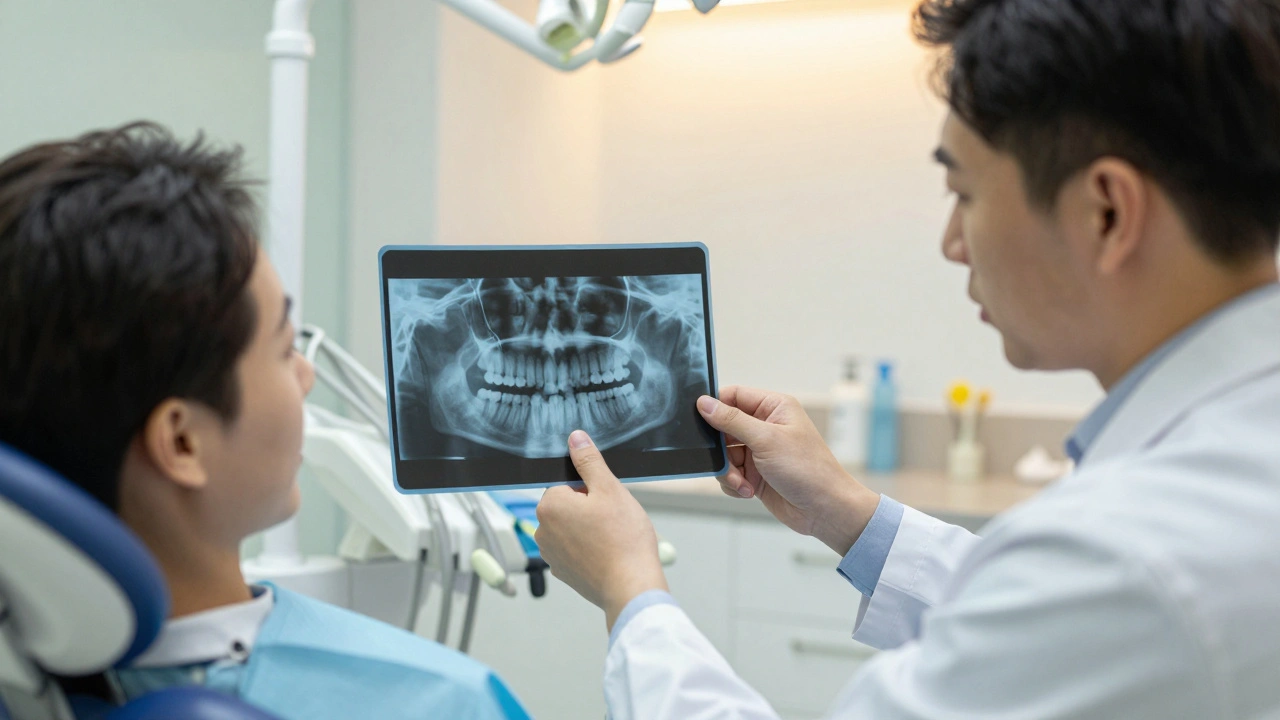
Co místo zubního implantátu? Alternativy pro ztracené zuby
Ztratil jste zub a nechcete implantát? Zjistěte, jaké alternativy existují - zubní most, protéza nebo fazety. Co je nejlevnější, nejtrvalejší a nejvíce přirozené. Všechny možnosti s reálnými cenami a doporučeními.
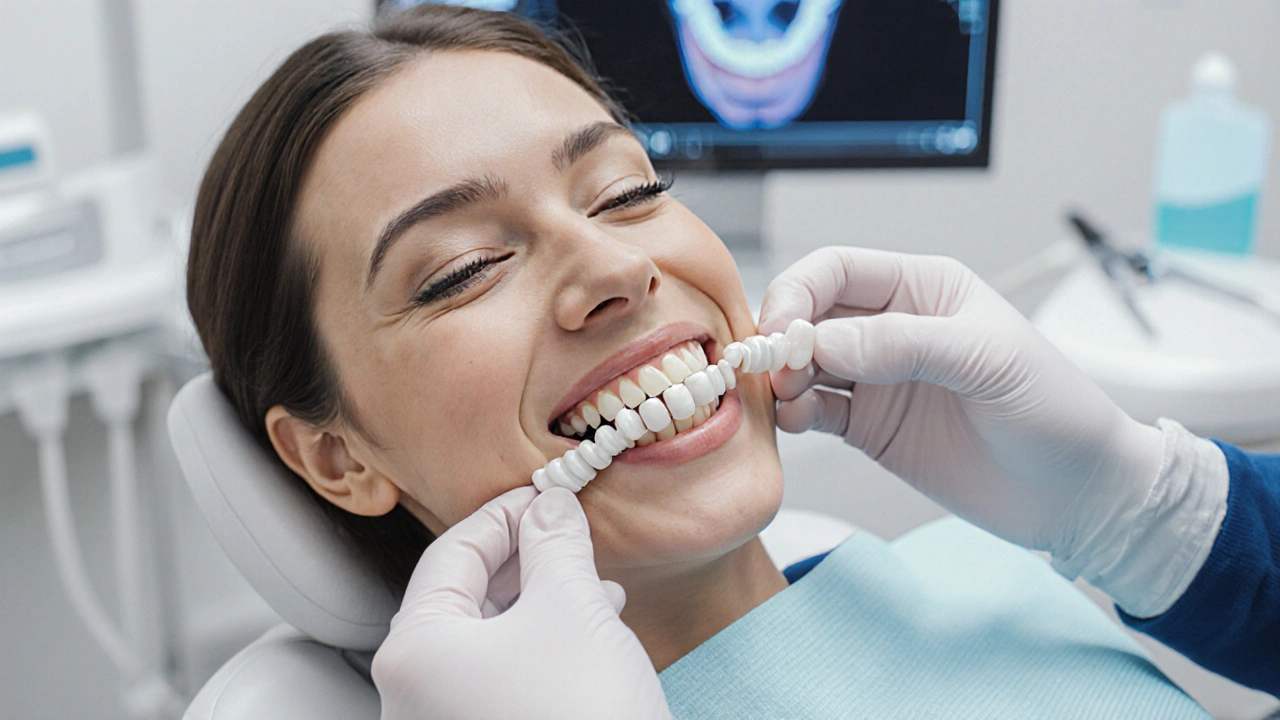
Co je alternativou k zubnímu implantátu? Možnosti pro ztracený zub
Když ti vypadne zub, nemusíš okamžitě volit implantát. Zjisti, jaké jsou funkční, levnější a méně invazivní alternativy - zubní most, protéza nebo rekonstrukce na kolíku - a jak vybrat tu správnou pro tebe.
-
6.11.25 -
Jana Novotná -
0
- Zdraví a péče o zuby (137)
- Zdraví a stomatologie (17)
- Zdraví a wellness (10)
- Zdraví a krása (7)
- Zdraví a Wellness (4)
- Zdraví a Krása (4)
- Rodina a zdraví (3)
- Zdraví a lékařství (3)
- Zdraví a životní styl (2)
- zdraví a krása (2)
-
Bělící zubní pasta: Je to stojí za investici? Pravda o bělení zubů doma
1 bře 2026 -
Ultrasonický čistič zubů - Jak zlepšit každodenní zubní hygienu
23 říj 2025 -
5 nejlepších důvodů pro zvolení fazet na přední zuby
18 pro 2025 -
Jak zvládnout bolest předních zubů během chřipkové sezóny
1 lis 2025 -
Jak dlouho je třeba nosit fixní rovnátka? Průměrné doby a co na to vliv má
8 bře 2026
1.12.25
Jana Novotná
0